OVERVIEW
What Is Flower-Bed Cleanouts?
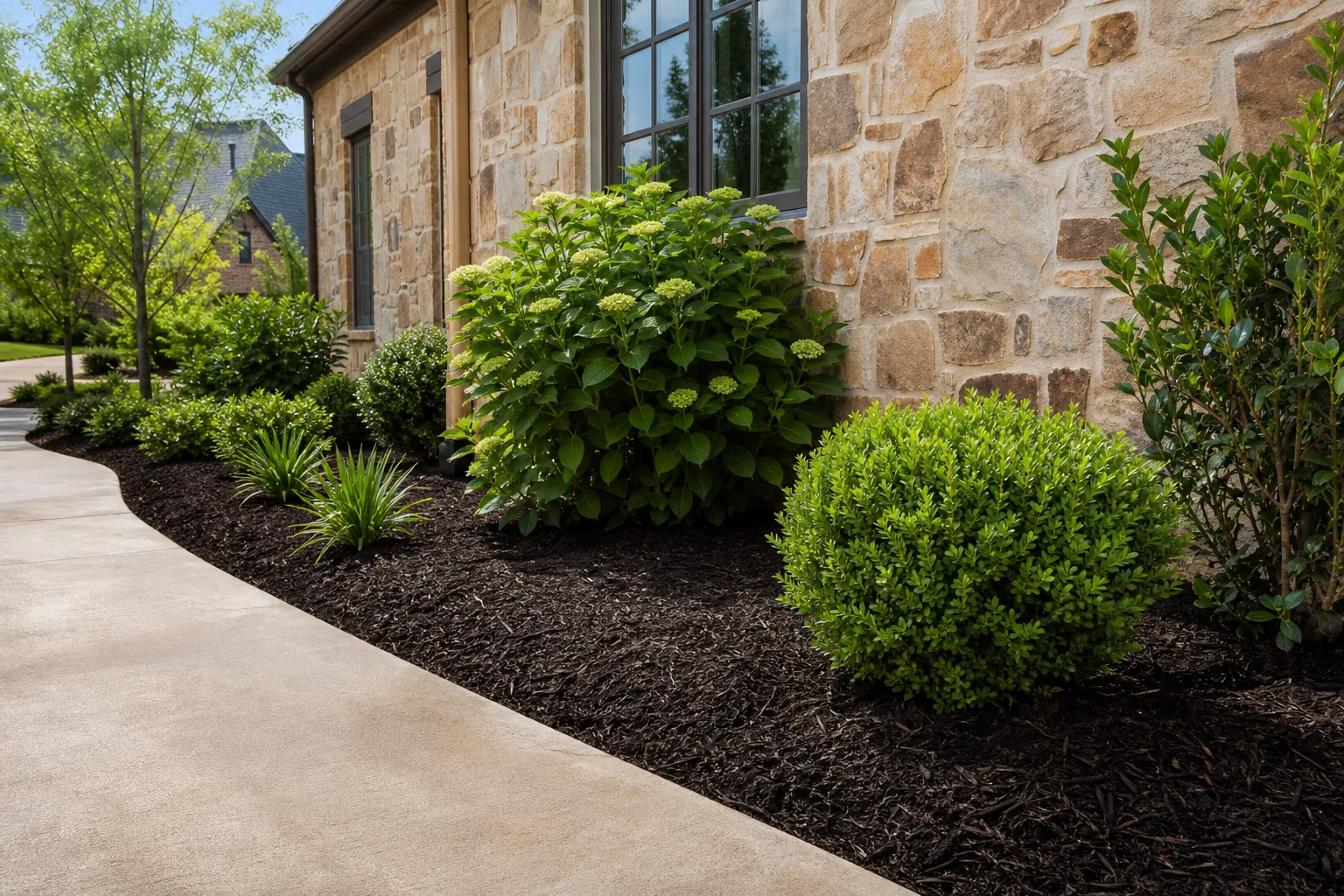
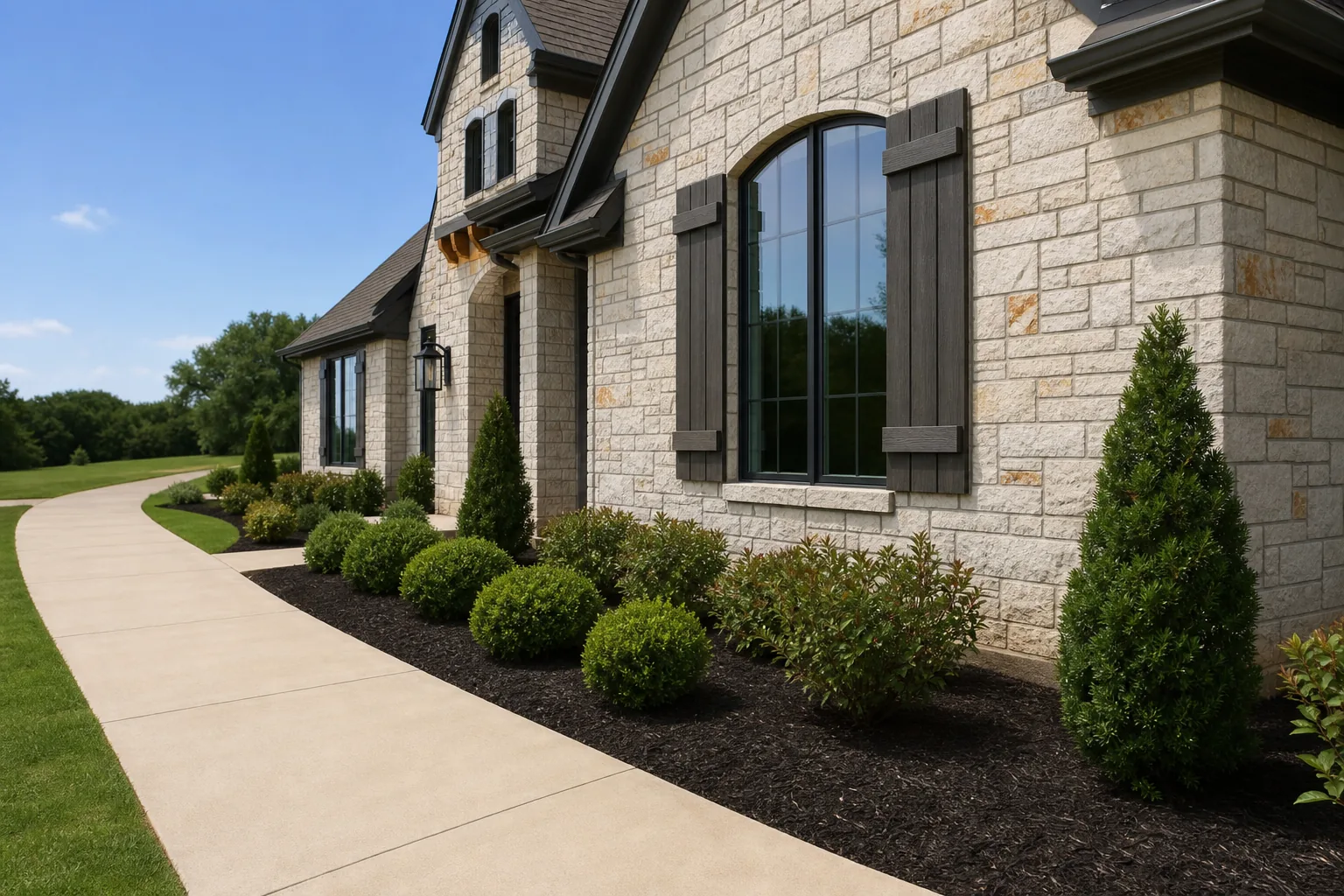
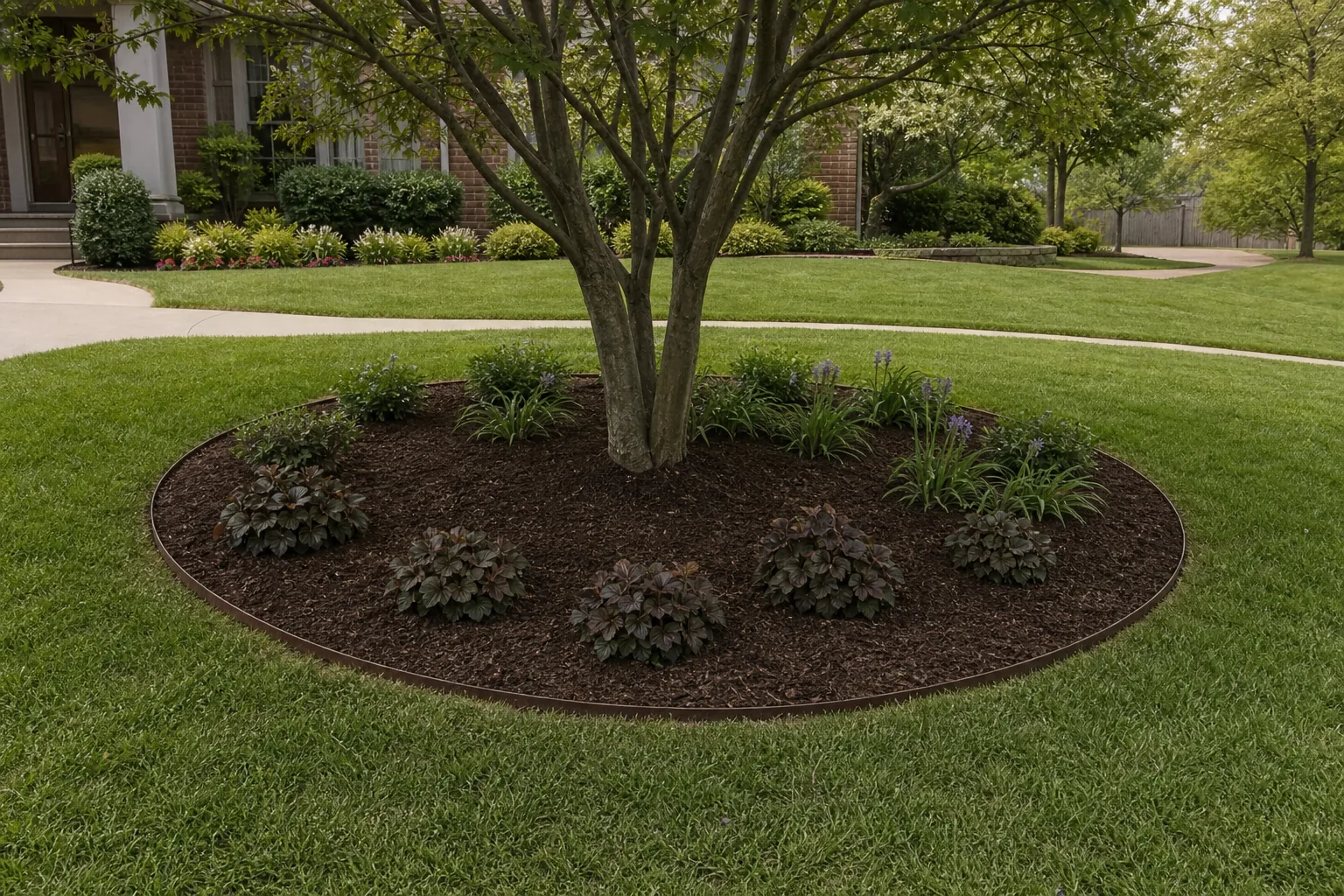
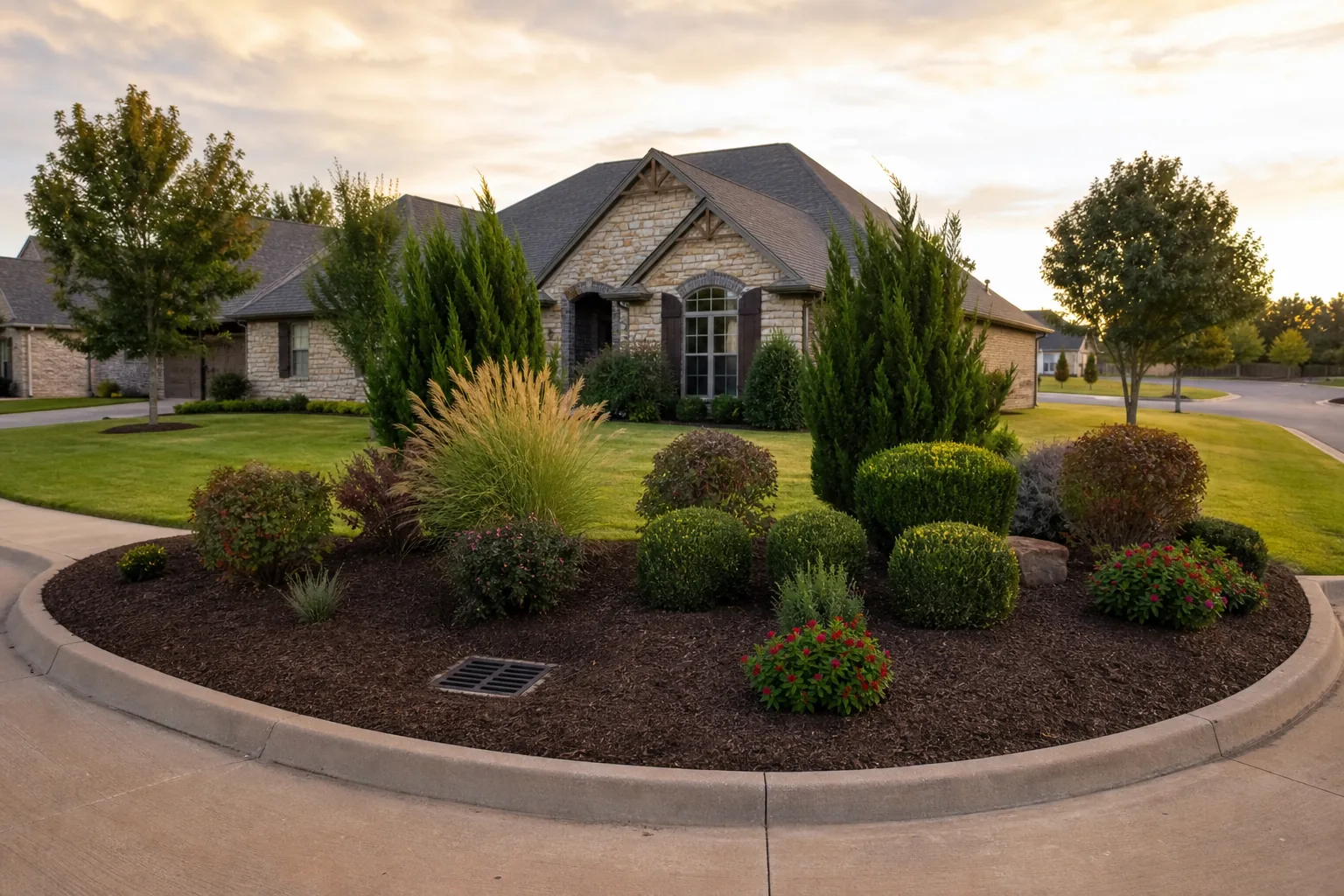
Flower-Bed Cleanouts is the removal of unwanted weeds, dead growth, loose debris, and selected plant material from an established planting bed. The work creates room to see the bed’s existing condition and may include cutting back approved growth, clearing edges, gathering material, and preparing for mulch or later planting. A cleanout is a maintenance-focused service that helps restore order without automatically changing the entire planting design. For residential and commercial customers in Norman and the approved surrounding service areas, flower-bed cleanouts can be planned as a focused task or as one part of broader property work.
APPLICATIONS
When Is Flower-Bed Cleanouts Useful?
Flower-bed cleanouts are often requested when weeds and volunteer growth make it difficult to distinguish intended plants from unwanted material. Dead seasonal growth, fallen leaves, broken edging, and depleted ground cover can also leave a bed looking cluttered or hard to maintain. Customers may schedule a cleanout before adding mulch, replacing plants, preparing a property for sale, or beginning a broader landscape project. Beds near entries and customer-facing areas may need attention when accumulated material affects access or presentation. A cleanout can also reveal drainage, soil, edging, spacing, or plant-health questions that were hidden by overgrowth.
PLANNING & EXECUTION
What Is Required for Flower-Bed Cleanouts?
Planning a flower-bed cleanout requires clear boundaries, photos or a walkthrough, and agreement about which plants, decorations, irrigation parts, and edging will stay. The customer should identify desirable plants, bulbs, seedlings, and ground covers that may be difficult to recognize among weeds or seasonal growth. Access, bed size, soil moisture, thorny material, root density, debris volume, and hauling expectations all affect the labor and tools needed. The agreed scope may include hand removal, cutting back, raking, bagging, edge cleanup, hauling, and surface preparation for a later material application. Herbicide use, new planting, soil replacement, drainage correction, and major root removal should be discussed separately instead of assumed.