OVERVIEW
What Is Gutter Cleanouts?
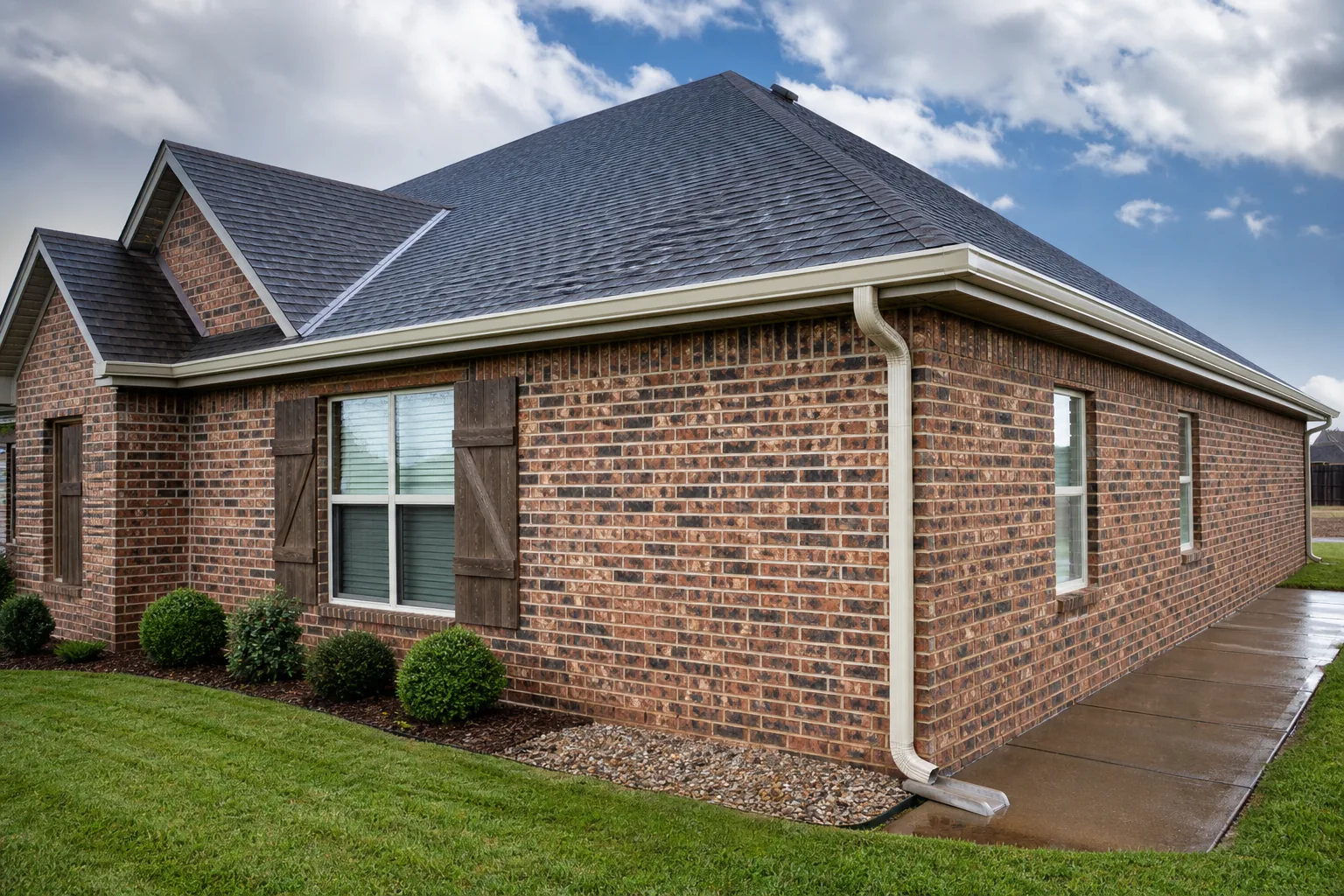
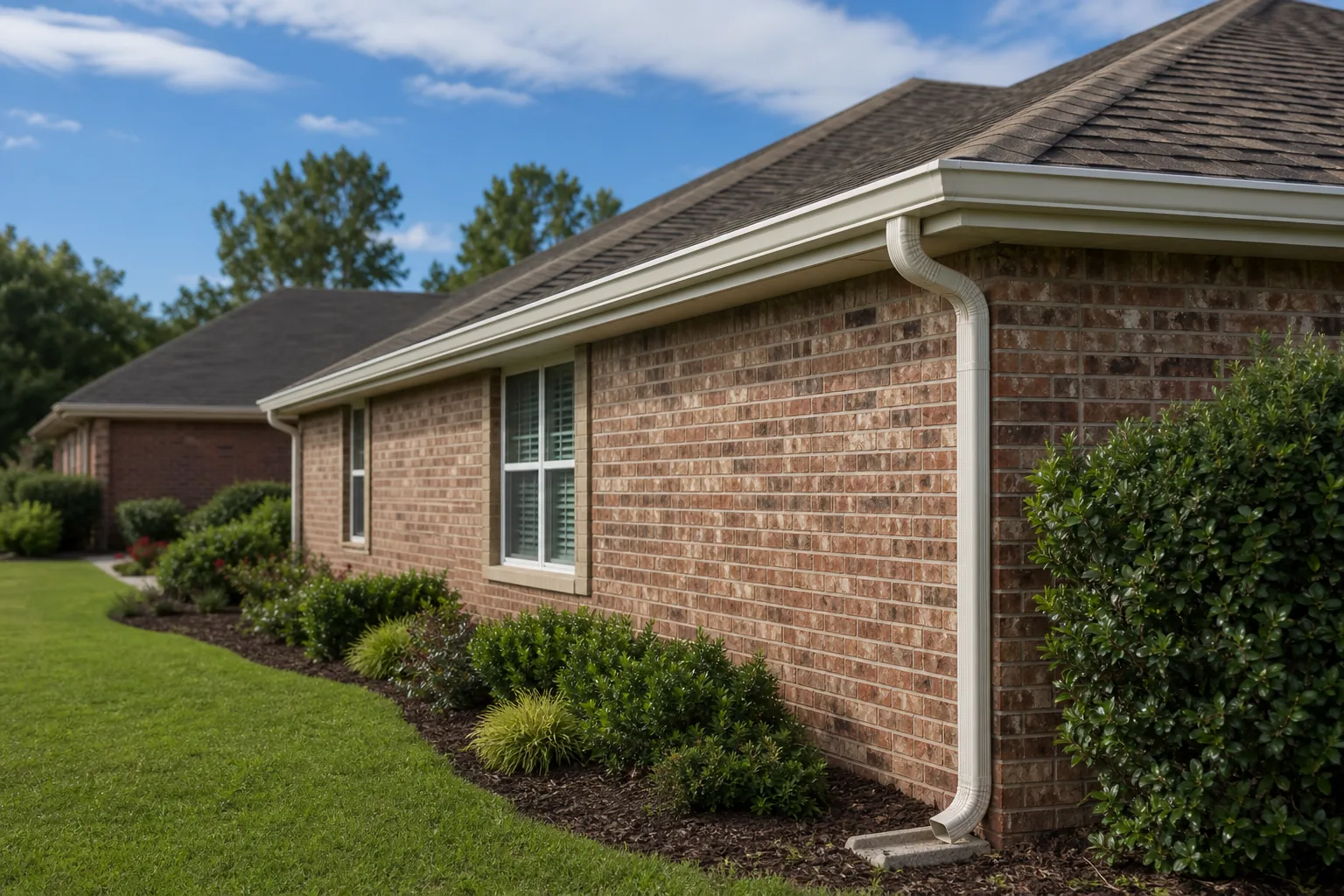
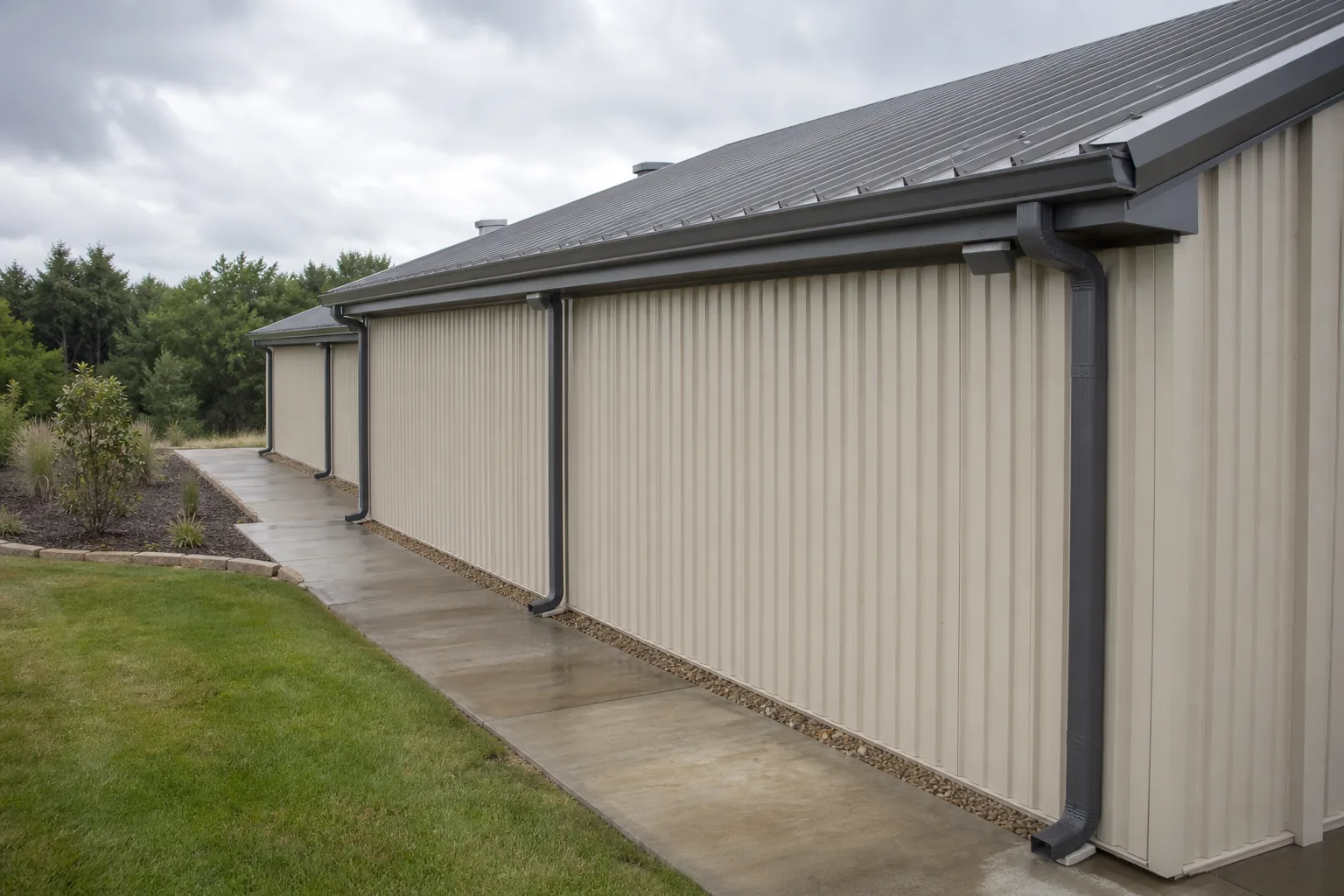
Gutter Cleanouts is the removal of leaves, twigs, sediment, and loose debris from accessible roof gutters and agreed downspout openings. The service focuses on clearing the collection channels that direct roof runoff, followed by basic cleanup of removed material in the work area. A cleanout helps customers maintain visible drainage pathways and identify obvious conditions that may need separate repair or evaluation. For residential and commercial customers in Norman and the approved surrounding service areas, gutter cleanouts can be planned as a focused task or as one part of broader property work.
APPLICATIONS
When Is Gutter Cleanouts Useful?
Gutter cleanouts are often requested when leaves or plants are visible above the gutter edge, water spills over during rain, or downspout flow appears limited. Debris can collect near valleys, roof edges, trees, and inside corners, even when the rest of a gutter run looks open from the ground. Customers may schedule service seasonally, after heavy leaf drop, before exterior repairs, or when preparing a property for sale or rental turnover. Staining, sagging sections, loose attachments, and standing water can indicate concerns that should be observed while the gutter is accessible. A cleanout does not automatically correct slope, leaks, damaged seams, undersized drainage, buried drain problems, or deteriorated roof components.
PLANNING & EXECUTION
What Is Required for Gutter Cleanouts?
Gutter cleanout planning begins with the building height, roof and gutter layout, access points, known trouble areas, and photographs from safe ground locations. The property should provide stable ladder placement and reasonable access around landscaping, fences, decks, vehicles, utilities, and neighboring structures. The scope should state whether it includes only loose debris removal, opening accessible downspout inlets, bagging, ground cleanup, or limited flow observation. Customers should identify fragile roofs, loose gutters, existing leaks, buried downspout connections, rainwater collection systems, and areas where runoff must be controlled. Weather and surface conditions matter because wind, rain, ice, extreme heat, or saturated ground can make access unsuitable.