OVERVIEW
What Is Flower-Bed Design?
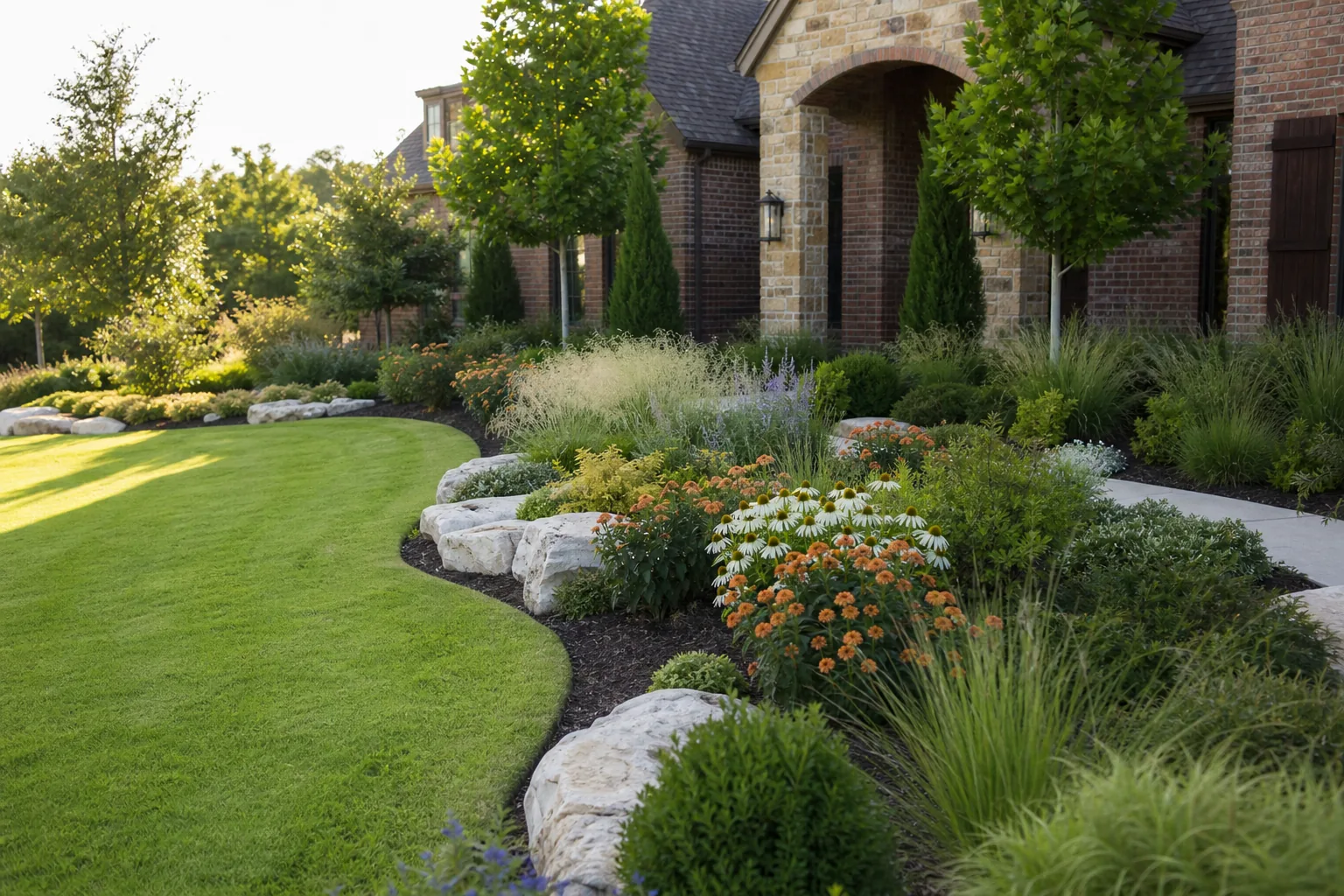
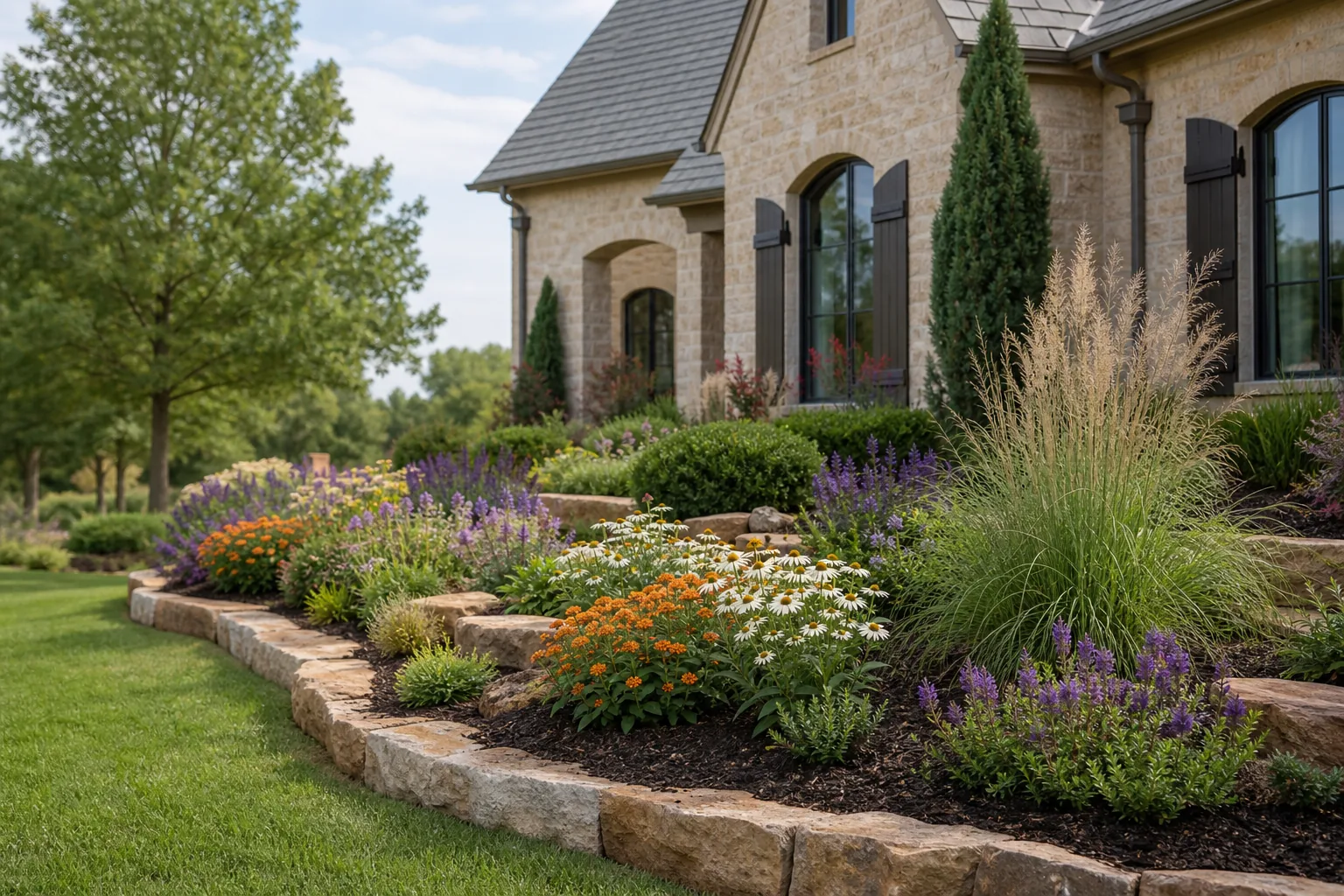
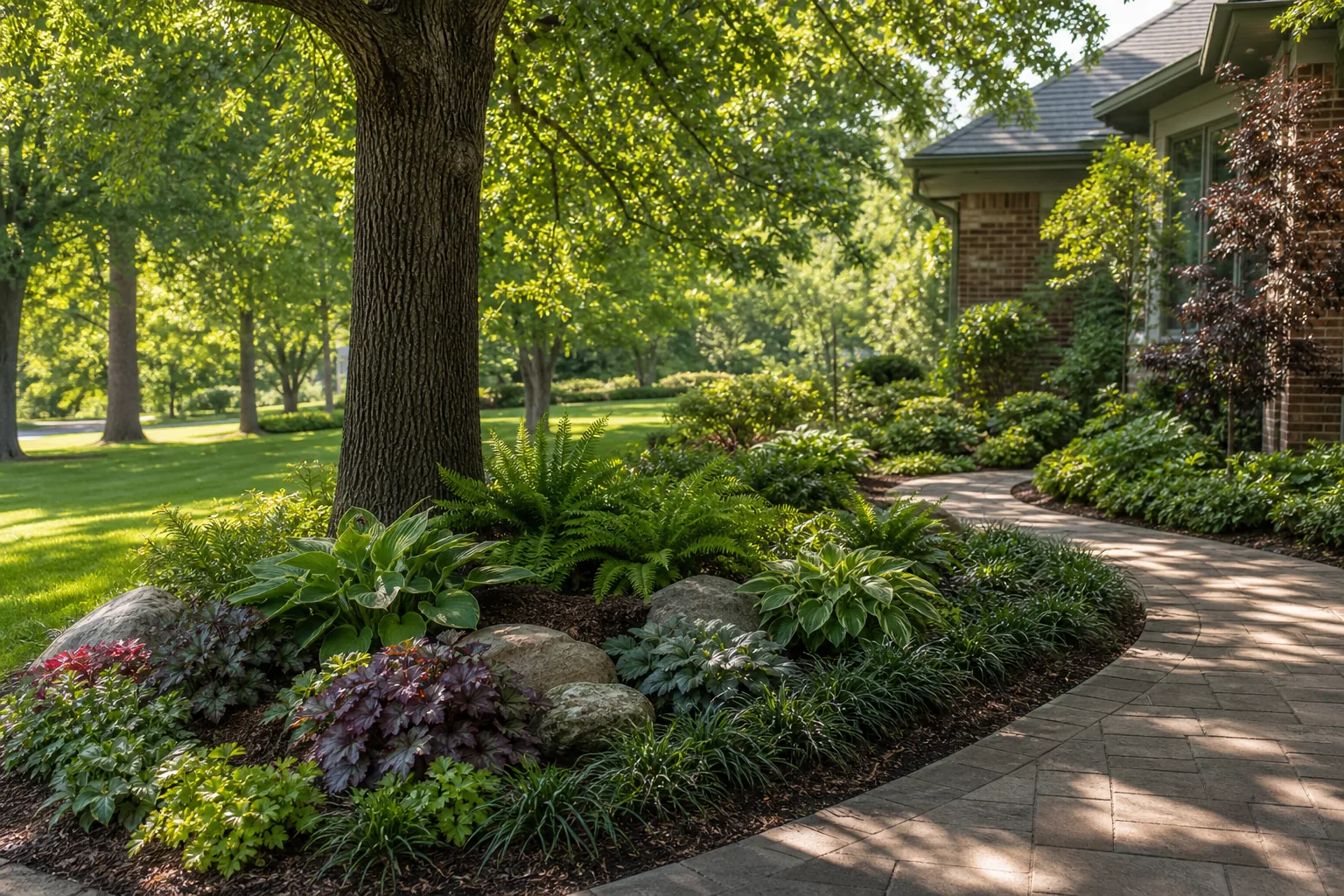
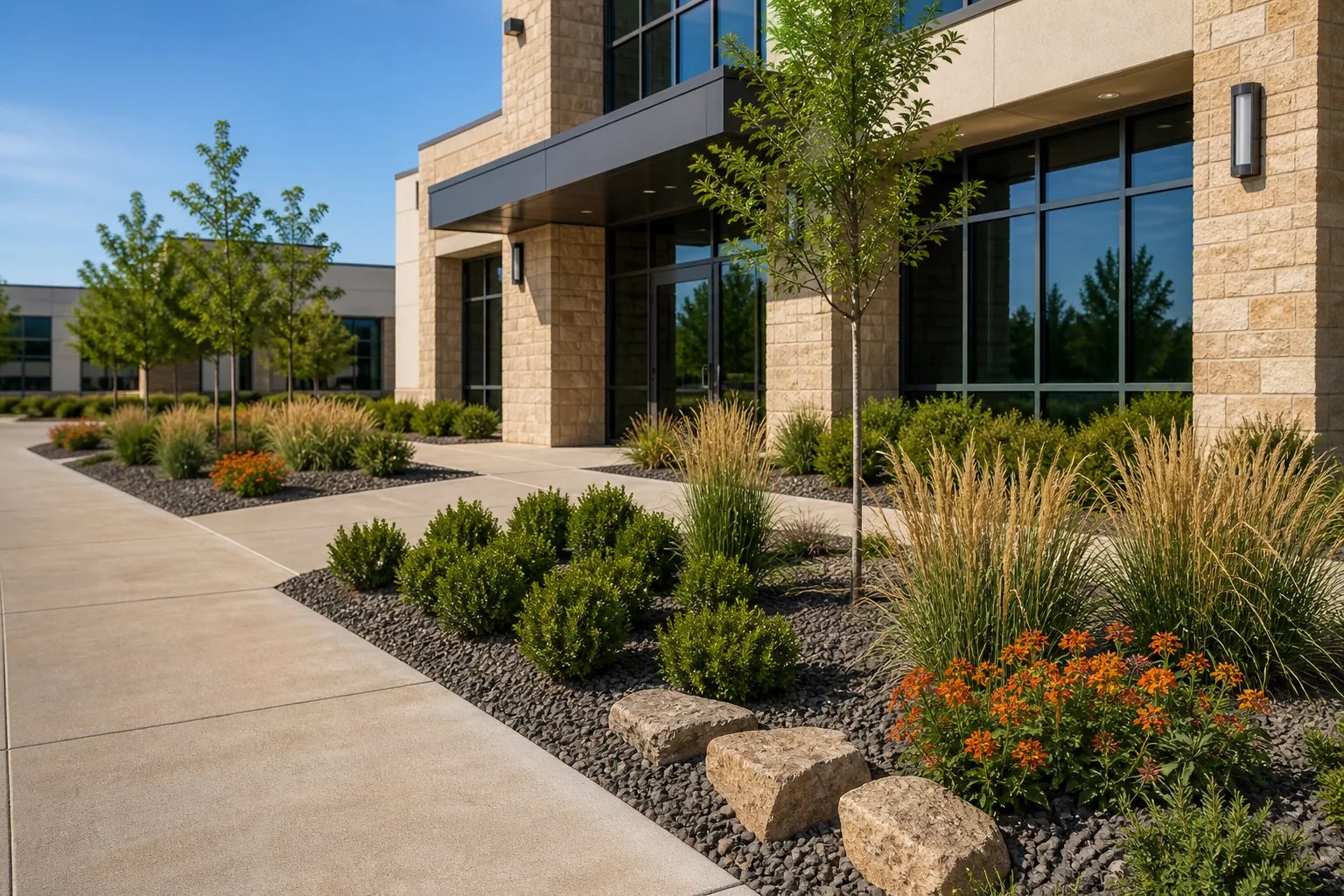
Flower-Bed Design is the planning of a defined planting area, including its shape, visual organization, plant arrangement, ground treatment, and relationship to the surrounding property. Design work considers how a bed will be viewed and maintained while organizing plants, edges, open space, and approved decorative materials. A clear design helps a customer make coordinated choices before purchasing materials or beginning installation. For residential and commercial customers in Norman and the approved surrounding service areas, flower-bed design can be planned as a focused task or as one part of broader property work.
APPLICATIONS
When Is Flower-Bed Design Useful?
Flower-bed design is useful when a customer wants a new planting area but needs help turning general preferences into an organized layout. An existing bed may also need redesign when plants have outgrown their locations, gaps have developed, maintenance is difficult, or the overall arrangement no longer fits the property. Customers preparing for a landscape refresh may want beds that create clearer transitions near entries, walks, patios, fences, or building edges. A design can help prioritize phased improvements when the entire desired installation will not happen at once. Changes in shade, irrigation, access, pets, or the customer’s available maintenance time can also justify a new plan.
PLANNING & EXECUTION
What Is Required for Flower-Bed Design?
Flower-bed design begins with measurements, photographs, sunlight observations, drainage conditions, existing plants, and the customer’s preferences for color, height, texture, and maintenance. The plan should account for mature plant size, seasonal appearance, water needs, spacing, visibility, and safe clearance from structures, utilities, and walkways. Existing soil condition and the intended ground treatment influence preparation, amendment, mulch, stone, or edging quantities. Customers should identify irrigation components, buried lines, roof runoff, pet routes, play areas, and plants or features that must remain. A useful design can include a bed outline, plant groupings, material notes, installation sequence, and care considerations without promising that every proposed plant will be available.